Giclée Printing

Bring your artwork to life with museum-quality giclée prints. Using archival inks and premium papers or canvas, each print delivers vibrant color, precise detail, and long-lasting durability—perfect for galleries, collectors, and artists.

Giclée Printing for Artists — Fine Art Reproduction Prints

Giclée Printing — Museum-Quality Art Reproductions

A giclée print (pronounced zhee-KLAY) is the highest standard available in fine art printing — produced using wide-format inkjet technology, archival pigment-based inks, and acid-free fine art paper or canvas. The result is exceptional color fidelity, razor-sharp detail, and prints rated to last 100+ years without noticeable fading. Whether you're reproducing a painting for gallery sale, producing a numbered limited edition, or offering your digital illustrations as collectible prints, giclée is the production standard that galleries, collectors, and serious artists trust.

Not sure whether canvas or fine art paper is the right substrate for your artwork? Read our guide: Canvas Prints vs. Paper Prints — Pros, Costs, and When Artists Choose Each.

What Makes a Print a Giclée?

The word giclée is not a marketing term — it describes a specific production standard. Understanding what defines a true giclée print helps you explain its value to buyers and price your work accordingly.

Wide-Format Inkjet Printing

Giclée prints are produced on large-format inkjet printers that place microscopic ink droplets with extreme positional precision — far finer than commercial offset or digital CMYK presses. This precision produces smooth, continuous color gradients, renders fine detail without pixelation or banding, and faithfully reproduces the subtle tonal transitions that make original artwork compelling.

Archival Pigment Inks

Standard dye-based inks fade within years when exposed to light. Archival pigment inks — the defining ink standard for giclée printing — are rated to last 100+ years on appropriate substrates under normal display conditions. The ink particles bond with the paper or canvas surface rather than sitting on top of it, producing richer, more stable color that resists fading at a fundamental level.

Acid-Free, Archival Substrates

The paper or canvas itself matters as much as the ink. Standard commercial paper contains acid that causes yellowing and deterioration over time. Giclée substrates — heavyweight fine art papers, watercolor papers, and cotton canvas — are acid-free, lignin-free, and specifically engineered for long-term stability. The substrate is not an afterthought; it's half the archival equation.

Giclée vs. Standard Art Prints: The Real Difference

All giclée prints are art prints — but not all art prints are giclée. Understanding the distinction helps you match the right product to your project and communicate value clearly to your buyers.

Giclée Prints

Wide-format inkjet, archival pigment inks, acid-free fine art paper or canvas. The production standard for gallery-quality art reproduction. Every element — ink, substrate, color management — is chosen for maximum fidelity and longevity.

  • 100+ year archival rating
  • Widest color gamut available in print
  • Suitable for numbering, signing, and editioned sales
  • Accepted by galleries and taken seriously by collectors
  • Higher cost per print — higher justifiable price point

Standard Digital Art Prints

Commercial digital or offset CMYK presses. Archival-quality stocks available (Printkeg's digital art prints use acid-free media), but the ink technology and color gamut differ from giclée. Excellent for retail art sales, convention inventory, and accessible price-point prints.

  • Excellent quality for retail and convention use
  • More affordable per unit — better for high-volume runs
  • Archival card stocks available (acid-free)
  • Not the standard for gallery or collector-grade editions
  • Best when quantity and consistency matter most

For most convention and retail sales, our digital art prints are the right call. For limited editions, gallery submissions, original reproductions, and collector-grade work — giclée is the standard.

Giclée Substrates: Choosing Your Paper or Canvas

The substrate you choose changes the character of the finished print as much as the artwork itself. Different papers and canvas types interact with pigment inks differently — producing distinct surface qualities, color responses, and tactile experiences. Here's a full breakdown of every giclée substrate we offer.

Fine Art Paper Options

Heavyweight Watercolor Paper

Cold-press watercolor paper with a natural, lightly textured surface. Pigment ink settles into the paper's texture producing rich, layered color with exceptional depth. Prints on watercolor paper look and feel like traditional paintings — the surface texture is part of the visual experience. Buyers who don't know the piece is digital often genuinely can't tell.

Best for: Traditional-style digital art, painterly illustration, watercolor and gouache reproductions, original artwork reproductions, and high-end limited editions meant for gallery display or serious collectors.

Smooth Fine Art Paper

A bright white, ultra-smooth surface that renders fine detail with maximum clarity. No texture interrupts the image — every line, gradient, and color transition is reproduced with absolute precision. The preferred substrate for artwork with high detail or photographic-level sharpness.

Best for: Highly detailed illustration, architectural and technical art, digital artwork with precise linework, and any piece where edge clarity and detail reproduction are the priority.

Large-Format Lustre Photo Paper

A semi-sheen archival photo paper combining the color vibrancy and saturation of gloss with a reduced-glare surface finish. Colors print with exceptional depth and shadow detail. The professional standard for photographic giclée prints — and an excellent choice for digital artwork that benefits from rich, saturated color reproduction.

Best for: Photography, high-resolution digital illustration, cel-shaded art with vibrant flat colors, and large-format prints where color impact is the priority.

Canvas Options

Stretched Canvas

Your artwork printed on canvas and wrapped around a solid wooden stretcher frame — ready to hang straight from the box. No framing required. The canvas weave adds a natural texture and warmth that flat paper prints can't replicate, giving digital work a physical presence that reads as a genuine art object. Gallery wrap means the image continues around the sides of the frame for a clean, contemporary presentation.

Best for: Premium wall art, large-format statement pieces, gallery-style display, commissions, gifts, and any piece meant to hang immediately without additional framing costs.

Loose Canvas (Unstreched)

Canvas printed flat without a frame — the full giclée ink and canvas quality without a fixed stretcher. Loose canvas can be rolled for efficient shipping, stretched locally by the buyer or a framer, or mounted in custom frames. The most flexible canvas option for large-format work and buyers who prefer custom framing solutions.

Best for: Large-format original reproductions, collectors who prefer custom framing, international shipping where rolled canvas is more practical, and artists offering flexible fulfillment options.

Giclée Print Size Guide

Giclée printing supports a wider size range than standard digital art prints — from collector-scale pieces to large-format wall art. Here are the most popular sizes and minimum file resolution requirements for sharp results.

Size Aspect Ratio Min Resolution (300 DPI) Best For
8×10" 4:5 2400×3000 px Entry-level collector prints, limited editions, online shop
11×14" 11:14 3300×4200 px Gallery display, detailed character art, convention premium
16×20" 4:5 4800×6000 px Gallery walls, online art sales, original reproductions
18×24" 3:4 5400×7200 px Statement wall art, large canvas, premium limited editions
24×36" 2:3 7200×10800 px Large-format gallery, exhibition display, collector-grade
36×12" Panoramic 3:1 10800×3600 px Landscape and cinematic art, wide-format display
Custom Varies 300 DPI at print dimensions Contact us for custom size quotes

For very large giclée prints (24×36 and up), 150 DPI is acceptable because viewing distance increases proportionally with size. Always design at your target DPI from the beginning — upscaling a low-resolution file adds pixels through interpolation, not actual detail.

Limited Edition Giclée Prints: What Artists Need to Know

Producing a numbered limited edition is one of the most powerful ways an independent artist can increase the perceived and actual value of their reproductions. Giclée printing is the production standard that makes limited editions credible — and collectible.

What Makes an Edition "Limited"

A limited edition is a specific, declared number of prints — "Edition of 50," "1/50," "2/50" — signed and numbered by the artist. The edition number must be genuine: once you declare an edition of 50, no more than 50 prints of that image at that size should ever exist. Artists who honor this commitment build trust with collectors over time. Those who don't destroy it.

Why Giclée for Limited Editions

Limited editions need to justify their price point with quality that standard prints can't match. Archival pigment inks rated at 100+ years, acid-free substrates, and museum-grade color management give giclée prints the longevity and fidelity that collectors expect from a numbered piece. A limited edition on standard office-grade paper isn't a collectible — it's just a print with a number on it.

Signing Your Prints

Sign your giclée prints in pencil or a fine-tip archival pen on the lower border of the image or directly on the print surface. Pencil is the traditional medium for signing fine art prints because it won't fade or offset onto the mat. Sign after printing — never scan and print a signature into the image, as this devalues the edition.

Edition Size Strategy

Smaller editions command higher prices and create more urgency. An "Edition of 10" can be priced significantly higher than an "Edition of 200" of the same image. Consider your current collector base and your goals: a smaller edition of your most significant pieces signals prestige and exclusivity, while a larger edition at a lower price point gives more buyers access to your work.

Artist's Proofs (APs)

Traditionally, artists retain a small number of prints outside the numbered edition — called Artist's Proofs, marked "AP." These are typically 10–15% of the edition size. APs belong to the artist and are not counted in the numbered edition. They can be given to collaborators, kept in your personal archive, or sold separately — typically at a premium over the standard edition price.

Certificates of Authenticity

A Certificate of Authenticity (COA) accompanies each numbered print and documents the edition details — title, edition number, total edition size, date, medium, and artist signature. COAs are standard practice for limited editions and give collectors documentation they can reference for resale, provenance, and insurance purposes. Creating a simple COA template costs nothing and adds significant perceived value.

Who Uses Giclée Printing

Giclée printing serves artists and creators across a wide spectrum — from fine art photographers to indie illustrators building a collector base. Here's how different groups use it.

Fine Artists & Painters

Reproduce original paintings as limited edition giclée prints — making your work accessible to collectors who can't afford or acquire originals. Watercolor paper giclée prints of oil and acrylic paintings are often indistinguishable from the originals to non-specialists. A numbered edition of your strongest work can generate significant revenue beyond the original sale.

Photographers

Large-format lustre and smooth fine art papers reproduce photographic detail and tonal range with a fidelity that standard photo printing can't match. Giclée photography prints on heavyweight fine art paper are gallery-accepted and collector-valued in a way that standard photographic prints rarely are. The archival ink standard also means your prints won't fade during a buyer's lifetime.

Digital Illustrators & Concept Artists

Digital art reproduced as giclée prints on watercolor paper or fine art smooth paper produces results that genuinely impress collectors who might otherwise hesitate over digital work. The archival standard and substrate quality elevate digital illustration into a category that buyers take seriously as a collectible — not just a print of something they could view on a screen.

Gallery Artists & Exhibition Makers

Galleries expect work submitted for exhibition to meet archival standards. Giclée prints on fine art paper are accepted by virtually all serious galleries as exhibition-grade reproductions. If you're preparing work for a juried show, a gallery submission, or a solo exhibition, giclée is the production standard that won't get your work turned away for quality reasons.

Fan Artists & Indie Creators

For fan artists with an established following, a small giclée limited edition at a premium price point creates a collector tier above your standard convention prints. 10–25 numbered giclée prints of your most beloved piece, signed and with a COA, gives your most dedicated fans something genuinely special — and generates meaningfully more revenue per print than your standard convention inventory.

Interior Designers & Commercial Spaces

Hotels, restaurants, corporate offices, and hospitality spaces regularly commission giclée prints for large-scale wall art installations. The archival quality means prints look as good in five years as they do on installation day. Canvas giclée in particular is popular for commercial spaces where the warmth and texture of canvas suits the environment better than framed paper prints.

Best Uses for Giclée Prints

Giclée printing serves a wide range of creative and commercial applications. Here's where it delivers the most value.

Gallery Exhibitions

High-quality reproductions of paintings, photographs, or digital art that meet gallery archival standards. Giclée on fine art paper is the accepted production standard for exhibition-grade prints — expected by curators, trusted by collectors.

Limited Edition Art Sales

Numbered and signed editions that give collectors something exclusive. The archival standard of giclée printing is what makes a signed number on a print meaningful — buyers know the print will hold its quality for their lifetime and beyond.

Home & Office Wall Art

Museum-quality reproductions for residential and commercial spaces. Canvas giclée prints hang directly without framing. Fine art paper prints frame beautifully under glass or acrylic. Either format elevates a space in a way that mass-produced prints simply can't.

Art Conventions & Premium Booth Pieces

A giclée limited edition at a convention creates a premium tier that serious collectors seek out. While your standard prints sell broadly, your giclée editions attract buyers who want something rare, archival, and signed. Two price points, two buyer types, more total revenue per event.

Original Painting Reproductions

Reproduce the texture, warmth, and detail of original paintings as numbered giclée prints. Watercolor paper and smooth fine art paper both reproduce brushwork, hatching, and tonal variation with a fidelity that standard prints cannot approach. Give collectors access to work they'd otherwise never own.

Photography Collections

Fine art photography on archival lustre or smooth paper — vibrant, detailed, and rated to outlast most other possessions a buyer will own. A giclée photography print is a different product category from a drugstore photo print, and it should be presented and priced as such.

File Preparation for Giclée Printing

The quality of your source file determines the quality of your giclée print. Here's exactly what you need before submitting.

Resolution: 300 DPI at Print Size

Design your file at 300 DPI at the exact intended print dimensions. For very large giclée prints (24×36 and up), 150 DPI is acceptable due to increased viewing distance. The resolution must be native — built into the file from creation, not upscaled artificially. Upscaled files print soft.

Color Mode: RGB

Submit files in RGB color mode. Our giclée workflow is calibrated for RGB — we convert to the appropriate output color space using ICC profiles specific to each substrate. Do not convert to CMYK before submitting — the conversion can narrow your color gamut unnecessarily and shift colors unexpectedly.

File Format: TIFF or PDF Preferred

TIFF is the ideal format for giclée source files — lossless, high-resolution, and universally compatible with professional prepress workflows. PDF is also accepted and preferred for files with multiple pages or embedded fonts. Maximum-quality JPG (Photoshop quality 12) is acceptable for photographic work. Avoid compressed or web-export JPGs.

Bleed: 0.25" for Canvas, 0.125" for Paper

For stretched canvas, add 0.25"–0.5" of bleed on all sides — this is the canvas that wraps around the stretcher frame. For fine art paper with full-bleed designs, add 0.125" on all sides. Keep critical content (faces, text, focal elements) at least 0.5" from the trim edge on canvas to avoid wrap cropping.

Source Originals for Painting Reproductions

If you're reproducing an original painting, the quality of your scan or photograph of the original directly limits the quality of the giclée print. Use a professional flatbed scan (for smaller works) or a high-resolution photograph under controlled lighting (for larger works). Avoid photographing originals in ambient room light — color casts from mixed light sources will reproduce in the print.

Order a Proof First

For limited editions especially, always order a single proof print before your full edition run. Colors can shift between screen and print in ways that are subtle on screen but obvious in person — particularly with deep shadows, skin tones, and saturated colors. A proof print lets you approve the result before committing to an entire numbered edition.

Why Choose Printkeg for Giclée Printing?

  • True archival pigment inks — rated 100+ years on appropriate substrates; not dye-based ink marketed as "archival"
  • Acid-free, museum-grade substrates — watercolor paper, smooth fine art paper, canvas, and lustre photo paper, all selected for long-term stability
  • No large minimums — produce a single proof, a small numbered edition of 10, or a larger run of 100; we handle short and long quantities equally
  • Professional color management — ICC profiles calibrated to each substrate so your file's color is reproduced as faithfully as the technology allows
  • Expert file review before production — we check resolution, color mode, and substrate compatibility before any archival paper or canvas is used
  • Blind shipping available — ship directly to your collectors without Printkeg branding; your edition, your fulfillment, your brand
  • Real human support — guidance for artists producing their first limited edition, selecting substrates, or optimizing a source file for the best possible giclée result

Giclée Printing FAQ

What is a giclée print?

A giclée print is a high-quality digital art reproduction produced on wide-format inkjet printers using archival pigment-based inks and acid-free fine art paper or canvas. The term describes a specific production standard — not a style or format — characterized by exceptional color fidelity, precise detail reproduction, and archival longevity rated at 100+ years. All giclée prints are art prints, but not all art prints are giclée.

How long do giclée prints last?

When produced with archival pigment inks on acid-free substrates and displayed under normal indoor conditions (away from direct sunlight, within normal humidity ranges), giclée prints are rated to last 100+ years without noticeable fading. This is what distinguishes them from standard art prints and makes them suitable for editioned, numbered, and collectible sales.

What's the difference between giclée and standard digital art prints?

Giclée prints use wide-format inkjet printers with archival pigment inks on fine art substrates — a production standard defined by maximum fidelity and longevity. Standard digital art prints use commercial digital presses with CMYK inks, which produce excellent results for retail and convention sales but don't meet the archival standard of giclée. For collector editions, gallery submissions, and high-value reproductions, giclée is the appropriate standard. For convention inventory and retail prints, our digital art prints are the more cost-effective choice.

Can I produce limited edition giclée prints?

Yes — and giclée printing is specifically well-suited to limited edition production. The archival quality justifies the higher price point that limited editions command. Declare your edition size clearly, number and sign each print, and consider providing a Certificate of Authenticity with each piece. Our no-minimum ordering means you can produce a true edition of 10 or 25 without being forced into a larger run than your edition declares.

What substrates are available for giclée printing?

We offer heavyweight watercolor paper, smooth fine art paper, large-format lustre photo paper, stretched canvas (gallery wrap), and loose canvas. Each substrate interacts differently with pigment inks and produces a distinct surface character. Watercolor paper produces a painterly, textured result. Smooth paper maximizes detail clarity. Lustre photo paper offers the richest color saturation. Canvas adds warmth and physical presence. See our full substrate breakdown above for guidance on choosing the right one for your artwork.

Can digital art be reproduced as giclée prints?

Yes — and giclée is an excellent production standard for digital art. Digital illustrations, concept art, character art, and digital paintings all reproduce with exceptional accuracy on fine art substrates. Watercolor paper is particularly effective for digital art that mimics traditional media — the paper's texture adds physical authenticity that collectors appreciate. Digital work must be supplied at 300 DPI at the intended print size for best results.

Are giclée prints suitable for framing?

Yes. Fine art paper giclée prints are designed to be framed and are gallery-ready straight from the box. Frame under UV-filtering glass or acrylic to protect the print from light exposure. Stretched canvas giclée prints arrive ready to hang without framing — the gallery wrap finish means the sides are printed and clean. Loose canvas can be stretched and framed by the buyer or a local framer.

What file resolution do I need for giclée printing?

300 DPI at your intended print dimensions is the standard for giclée printing up to 18×24. For larger prints (24×36 and up), 150 DPI is acceptable because viewing distance increases with print size. The resolution must be native to your file — not artificially upscaled. If you're reproducing an original painting, the quality of your scan or source photograph is the ceiling for your print quality.

Do you offer custom giclée print sizes?

Yes. Contact us for custom dimensions outside our standard size listings. In many cases we can accommodate custom sizes and will provide a direct quote based on your substrate choice and dimensions. Reach out before ordering if your artwork's proportions don't fit a standard size — we'll find the best solution for your specific project.

Start Your Giclée Print Order

Whether you're producing your first limited edition, reproducing an original painting, preparing work for gallery submission, or building a collector-grade tier for your art practice — giclée printing is the standard that serious buyers, gallery curators, and collectors trust. Choose your substrate, upload your file, and let Printkeg deliver prints that do justice to your work.

Museum-Quality Giclee Fine Art Prints

Our giclée prints are produced using archival pigment inks and museum-grade papers, delivering exceptional detail, accurate color, and lasting stability for fine art reproduction.

Precision Printing Technology

Every print is created on our Canon imagePROGRAF, offering a wide tonal range, smooth gradients, and remarkable clarity across every image.

Hand-Inspected, Gallery-Ready Results

Each print is carefully reviewed for resolution, consistency, and overall craftsmanship, ensuring artists and photographers receive professional, exhibition-ready prints suitable for framing, selling, or display.
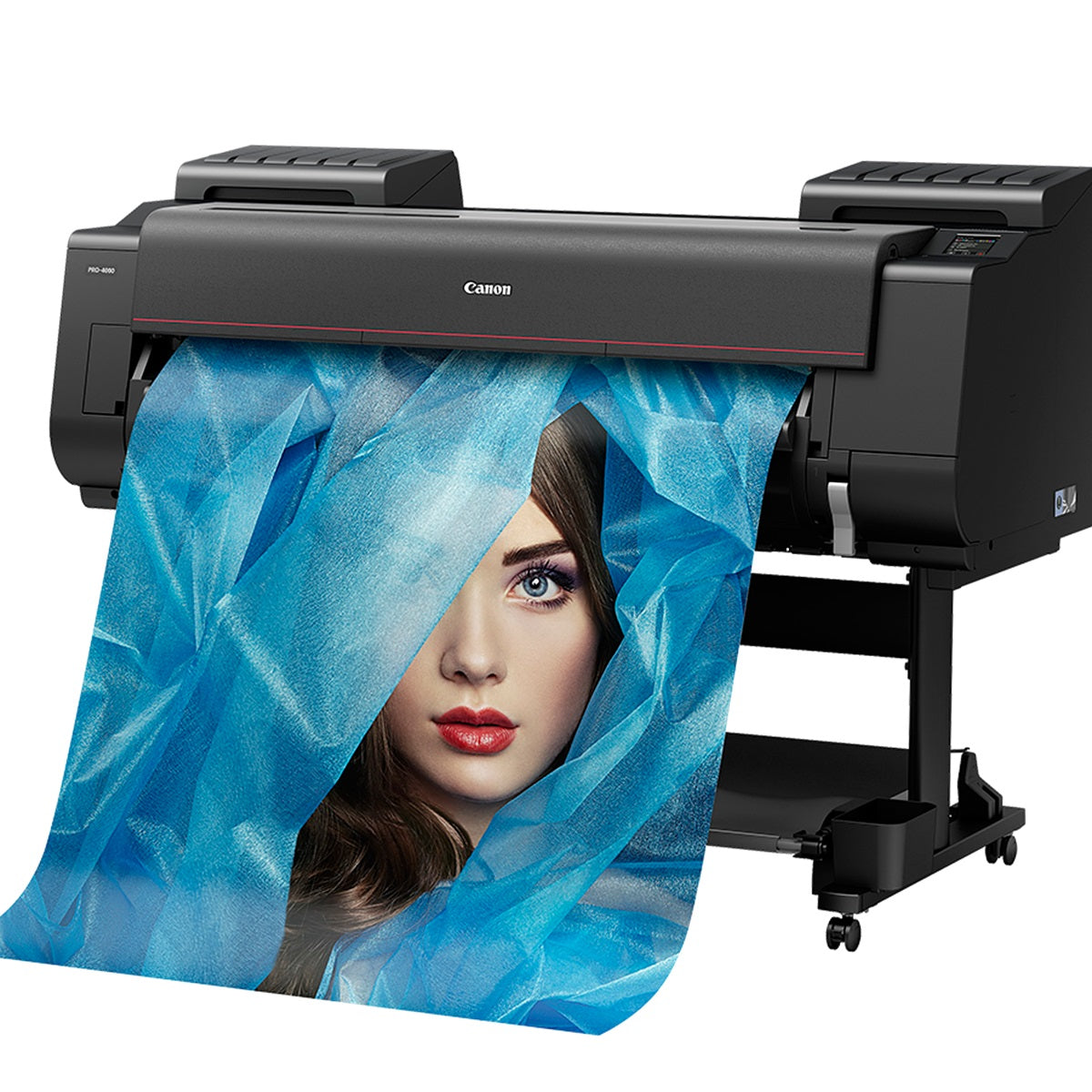
Giclee Printing Equipment

The Craft of Giclee Printing

Giclee printing embodies the craftsmanship of producing stunning prints with contemporary printers, archival inks, and premium substrates, perfect for enduring art and photograph reproductions.

How We Make Giclee Prints

By employing the Canon imagePROGRAF, we unlock a wide spectrum of colors. Museum-quality media ensures that our giclee prints promise sustained vividness and durability.

Why Artists Trust Printkeg

For almost 20 years, artists and photographers have selected Printkeg for consistent, gallery-ready results for shows, festivals, and their online shops.

  • Trusted by 25,000+ artists and illustrators
  • Thousands of verified 5-star reviews
  • Professional equipment including the Canon imagePROGRAF
  • Calibrated CMYK workflow for color accuracy
  • Every print reviewed and inspected
  • Printed and packaged with care in Beaufort, South Carolina.