



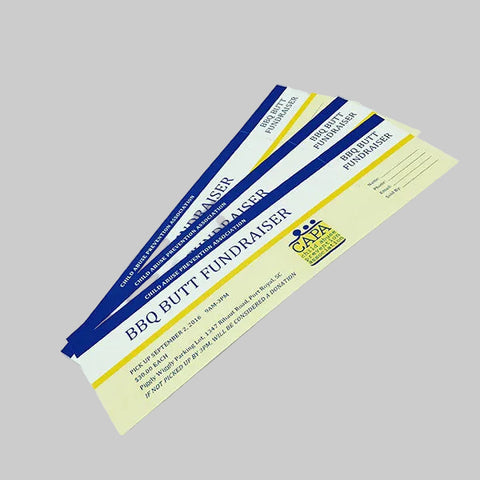



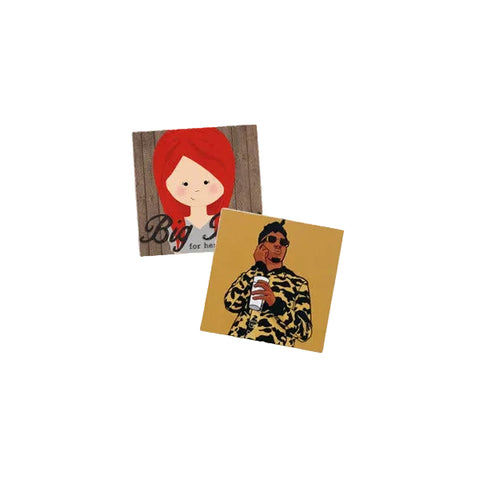
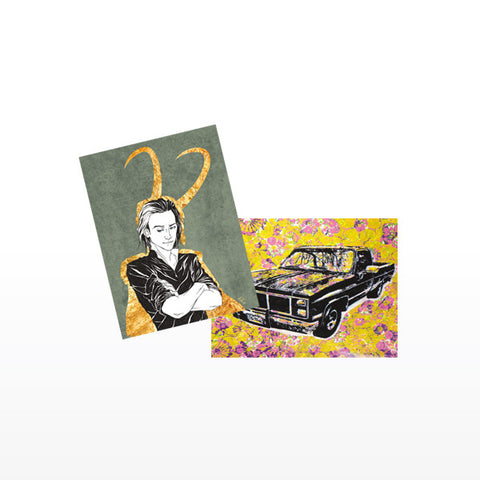























What Are Artist Alley Supplies?
Artist alley supplies are everything you need to set up shop at a convention's artist alley — the prints, stickers, display gear, signage, and branded materials that turn an empty 6-foot table into a working storefront. Unlike the studio supplies a working artist needs to make art, artist alley supplies are specifically for selling: optimized for high-traffic foot retail, fast turnaround, and the price points convention buyers will actually pay.
A good supply set hits four roles: things to sell, things to display, things to brand, and things to give away. Most first-time sellers focus too much on the first category — prints and prints and more prints — and underinvest in the others. That's why their booths look bare and don't pull traffic. A balanced supply mix is what separates the artists making rent at conventions from the ones losing money on table fees.
The Three Tiers of Artist Alley Supplies
The fundamental framework for stocking a booth is the three-tier price model. Each tier plays a different role:
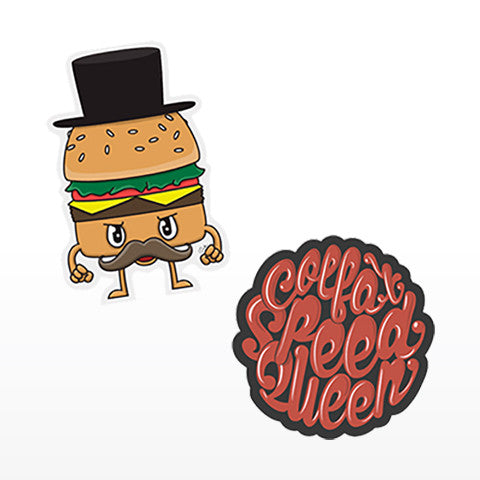
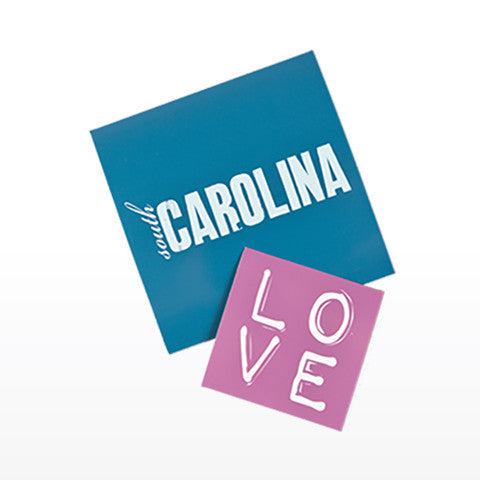
Tier 1: Impulse supplies ($1–$5). Stickers, postcards, mini prints, bookmarks. These convert browsers into buyers and let casual fans take something home for the price of a coffee. Tier 1 supplies do the most volume and have the highest unit margin — a $4 vinyl sticker that costs cents to print is one of the best margin items on the table.
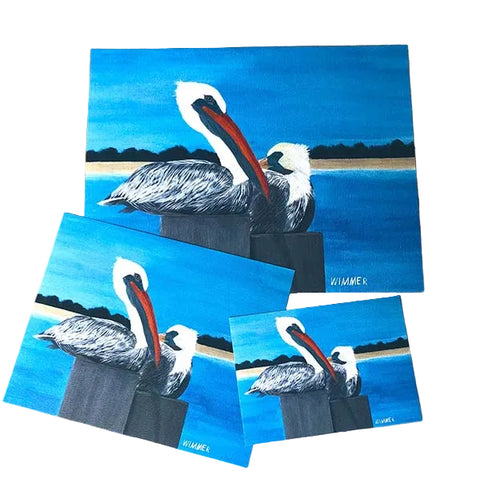
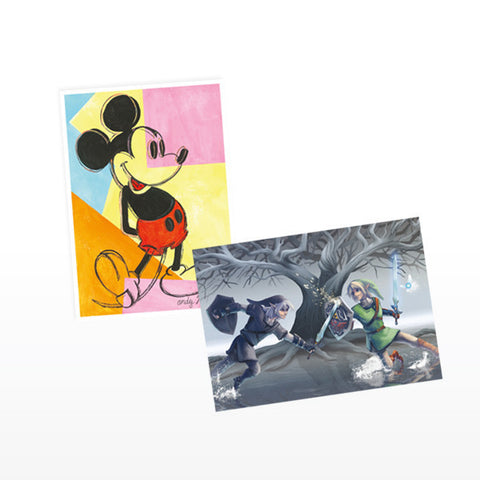
Tier 2: Mid-range supplies ($10–$25). 5×7, 8×10, and small fine art prints; sticker sheets; small zines or art books. This is your bread-and-butter inventory — substantial enough to feel like a real purchase, affordable enough that someone will buy on impulse if the art hits.
Tier 3: Statement supplies ($25–$60+). 11×17 and larger fine art prints, premium reproductions on metallic or pearl substrates, hardcover sketchbooks, signed limited editions. These are your big-ticket items and your prestige pieces. They might not move at every show, but when they do, they pay for the table.
A booth with only one tier underperforms. Tier-1-only booths look like flea markets; Tier-3-only booths look like galleries (and sell at gallery rates, which is to say rarely). Successful artist alley booths offer all three tiers so every visitor finds something to buy.
Print Supplies for Artist Alley
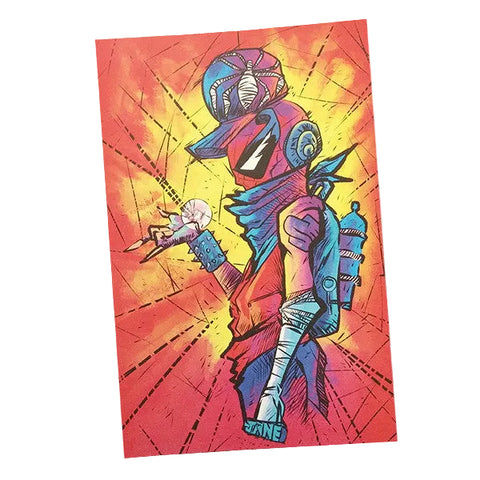
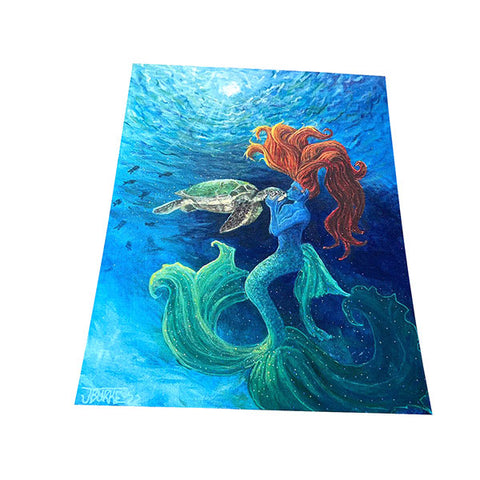
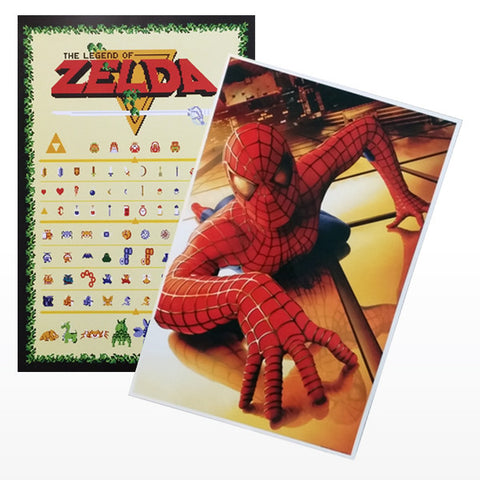
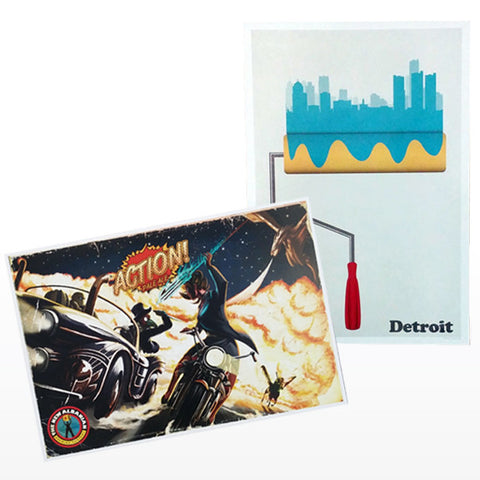
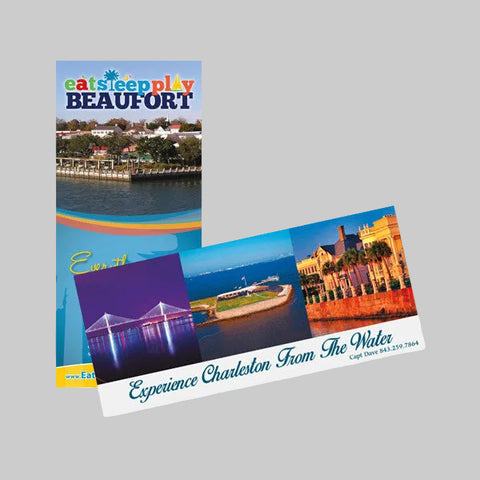
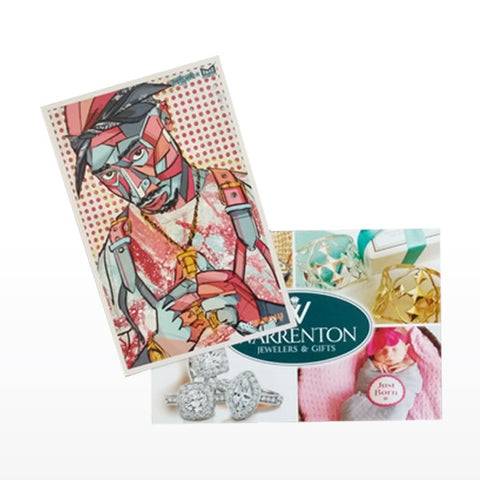
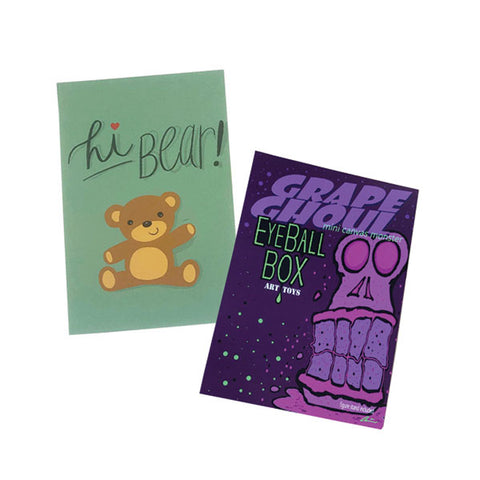
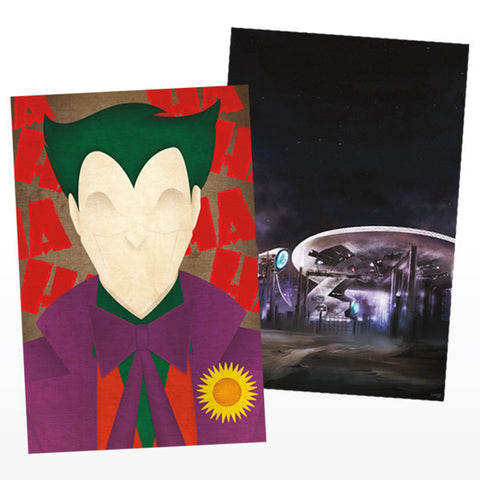
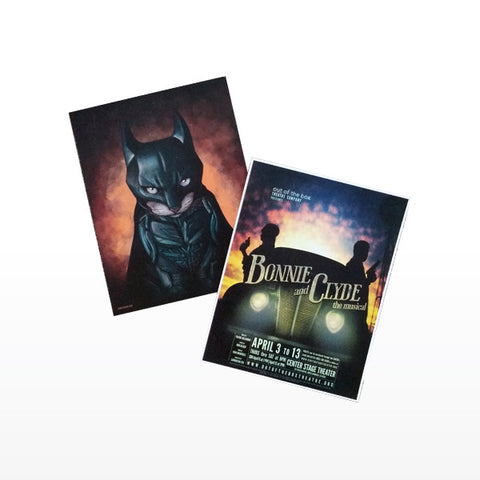
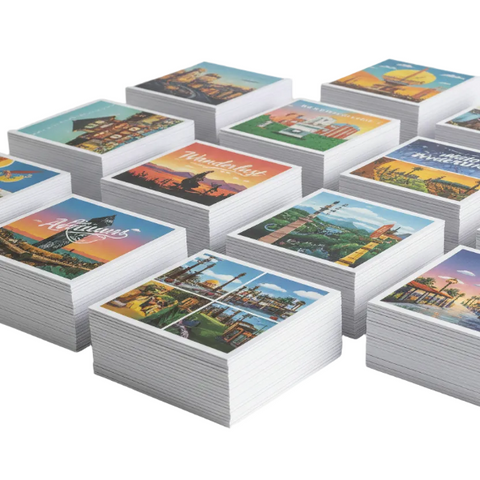
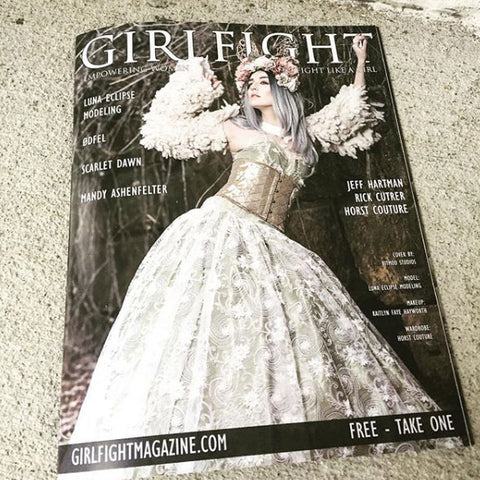
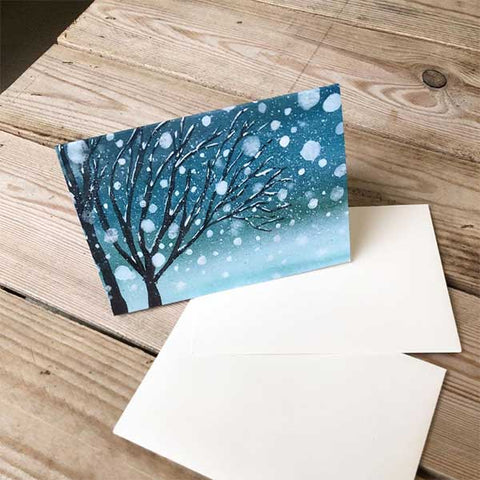
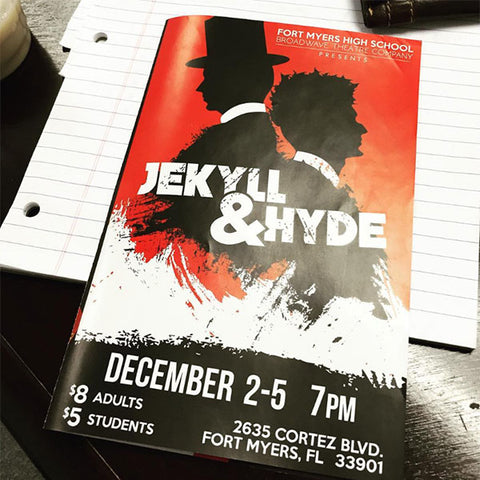
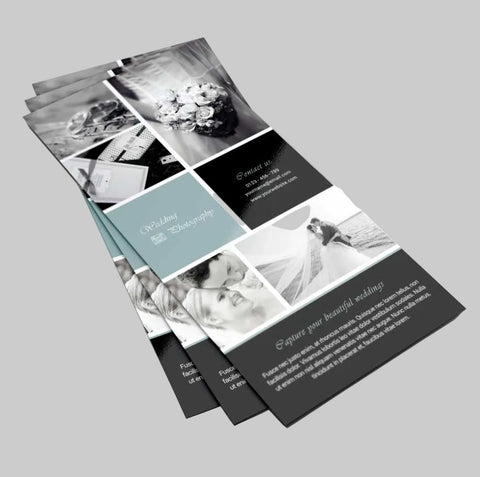
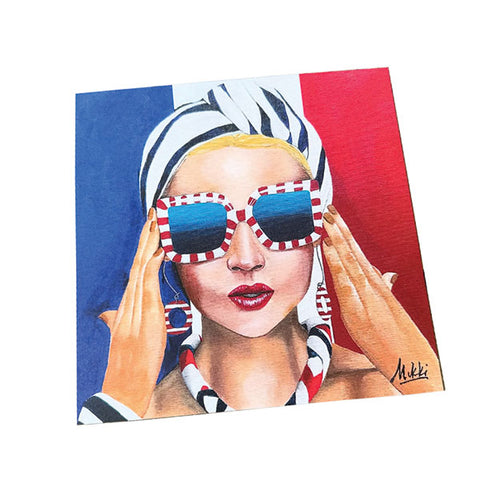
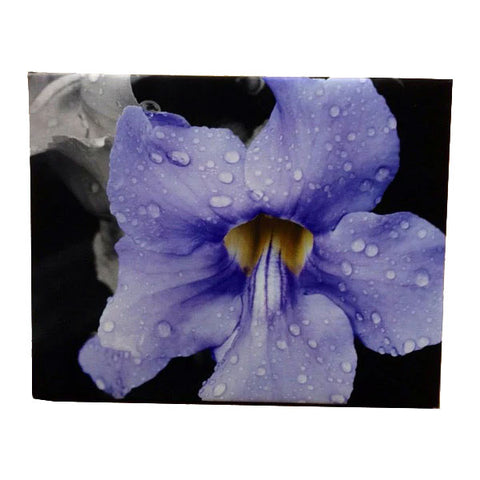
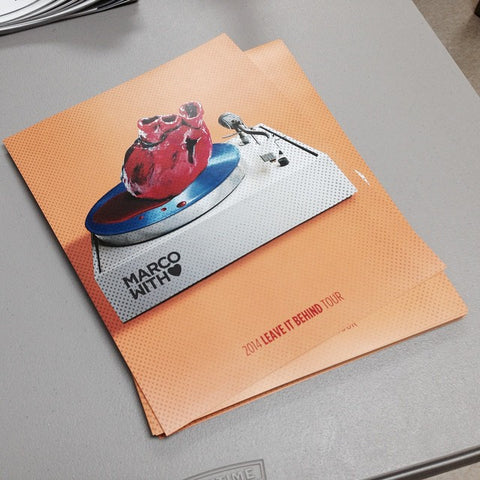
Print supplies are the inventory that goes home in customers' hands — the art prints, postcards, mini prints, and posters fans actually buy at conventions. Different print types serve different roles in your booth:
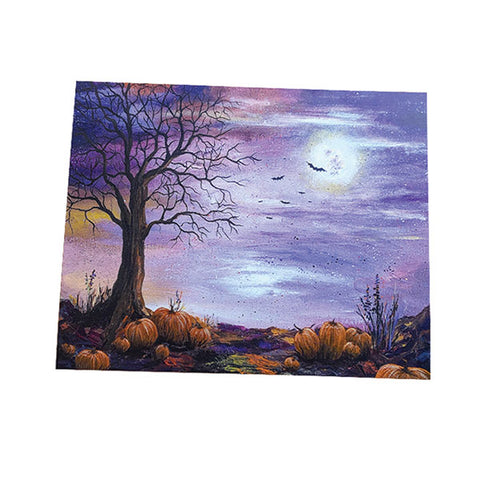
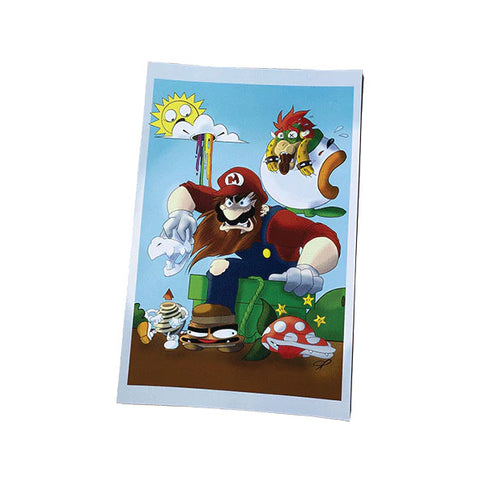
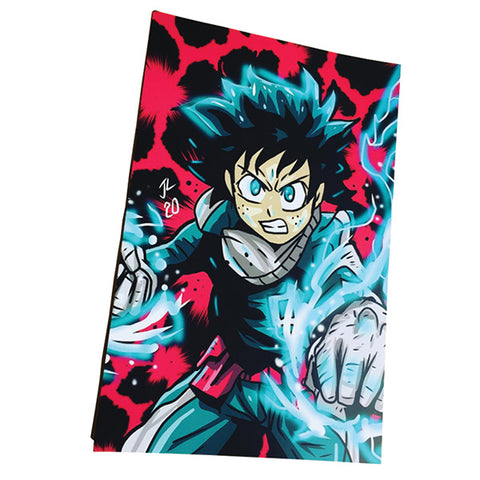
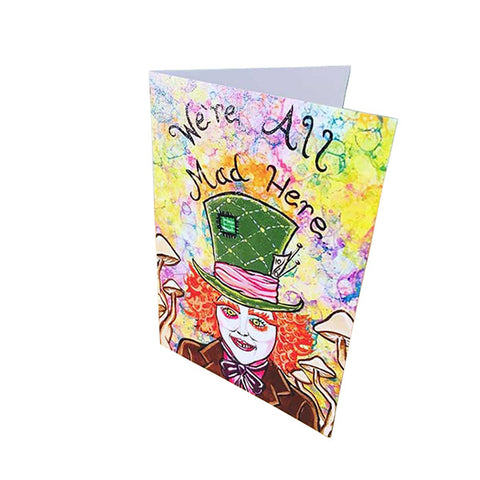
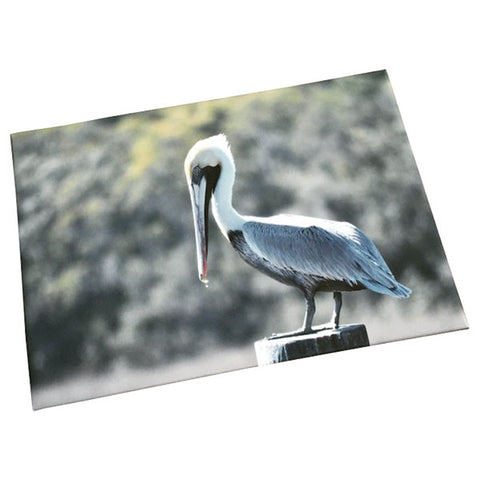
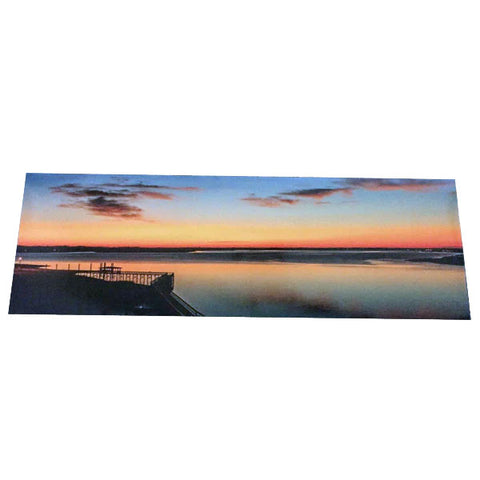
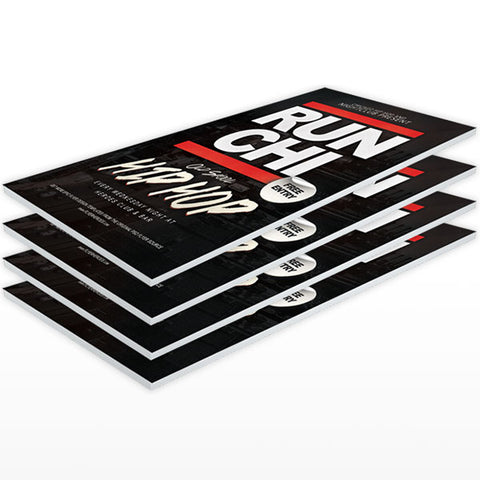
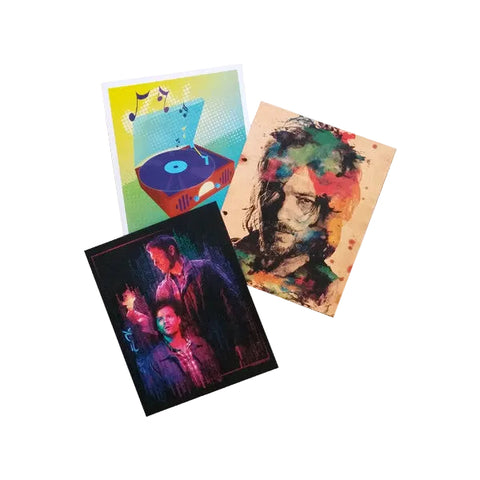
- Fine art prints are the centerpiece — your eye-catchers, your statement pieces, and what most buyers will spend the most on
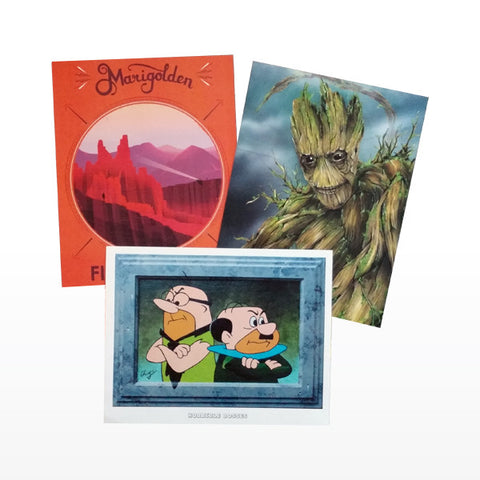
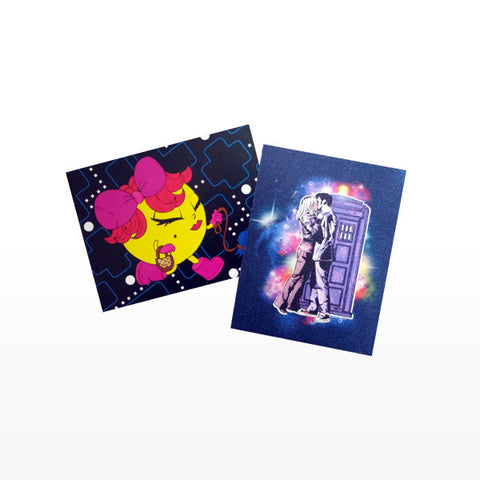
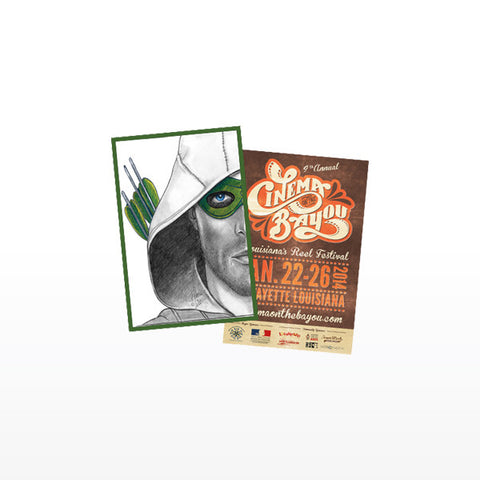
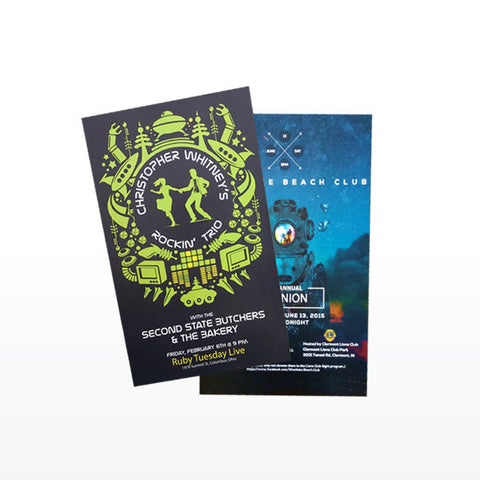
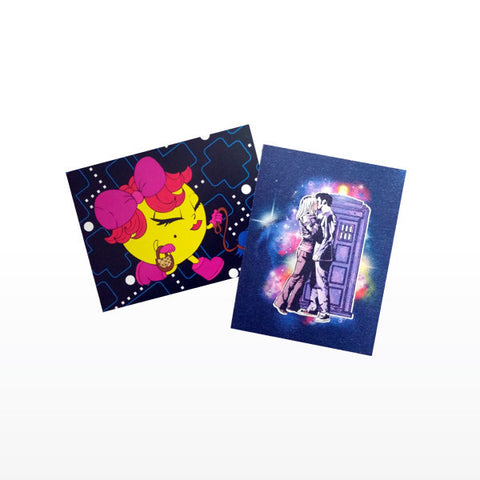
- Postcards and mini prints are the volume layer — affordable enough to be impulse buys, substantial enough to feel like art
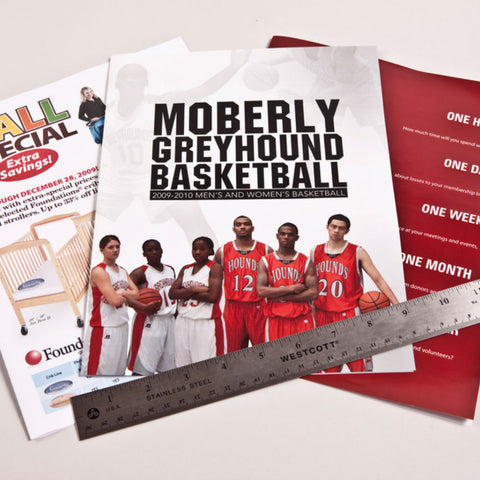
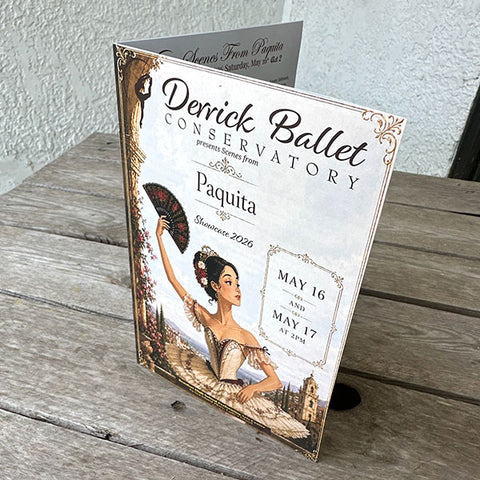
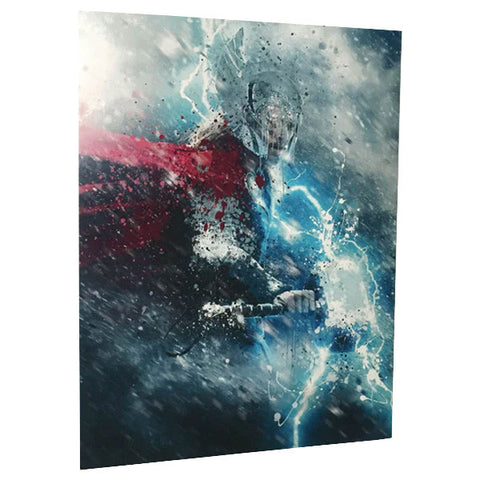
- Posters can be both inventory and display — many artists print a few large copies of each design for sale and use one as the booth's display sample
When planning print supplies, think in terms of designs first, sizes second. Most successful artist alley sellers anchor their inventory around 4–6 strong designs, printed in 2–3 sizes each, rather than 20 different designs in just one size. Variety in subject matter helps you discover which images sell; variety in size lets buyers choose a price point.
Display & Booth Supplies
Display supplies are everything that makes your booth visible from across the convention hall and inviting once someone walks up. Your art could be incredible, but if no one stops at your table, none of it sells. Display is what gets people to stop.
The non-negotiable display supplies are:
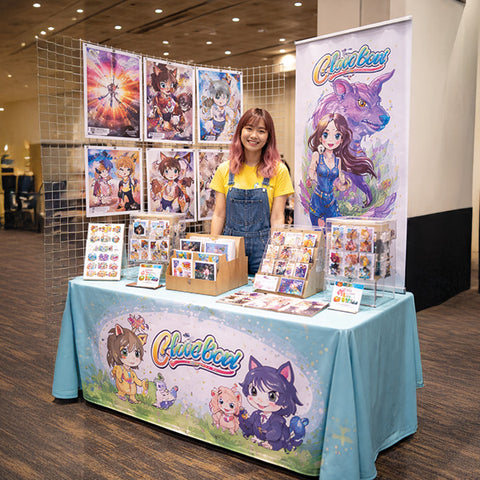
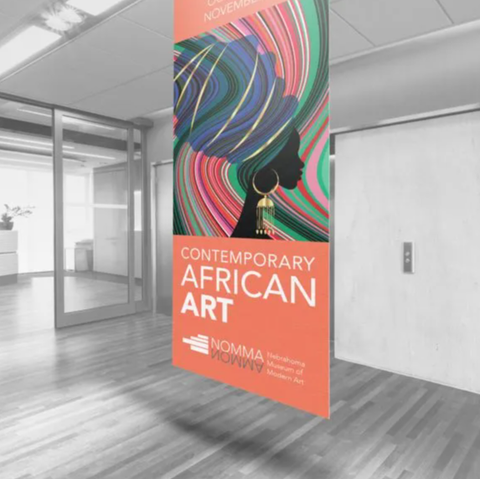
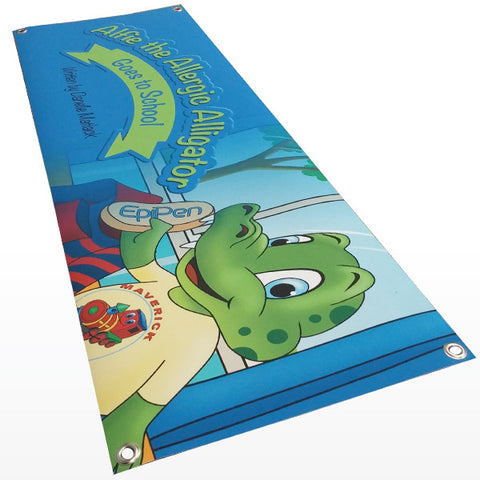
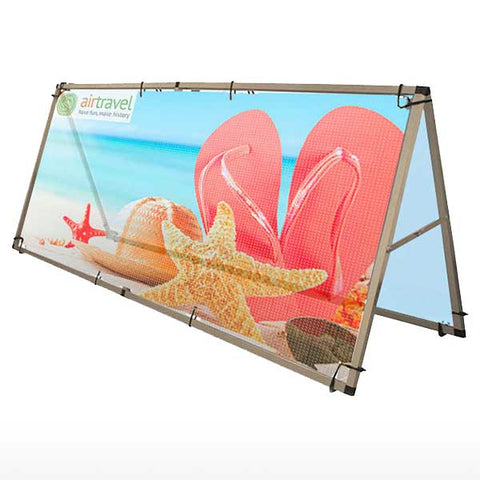
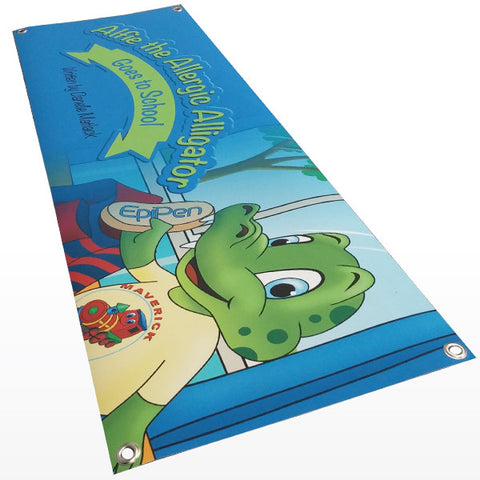
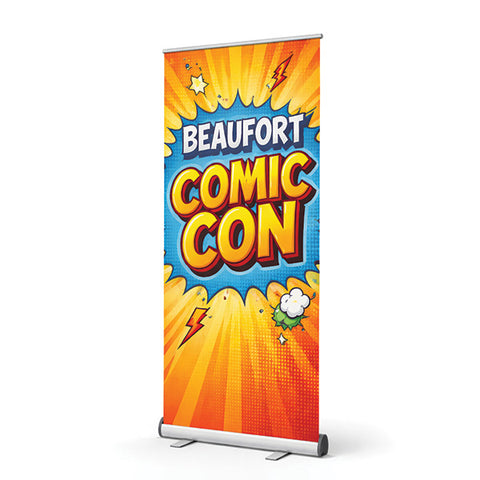
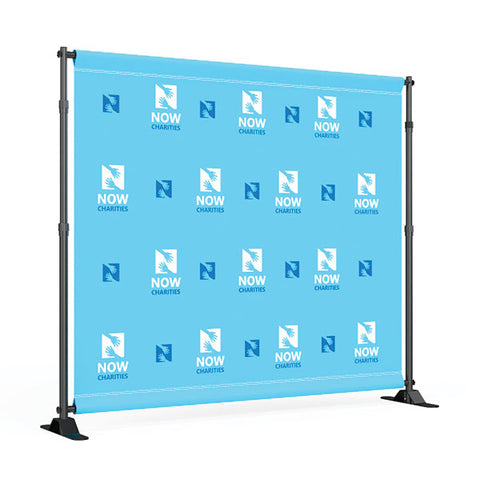
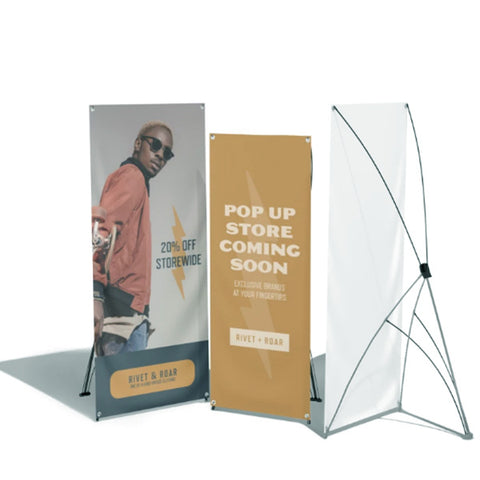
- A retractable booth banner with your artist name, readable from at least 20 feet away
- A grid wall, wire cube tower, or print rack to display sample prints vertically — fans need to see your work from across the aisle, not just down at table level
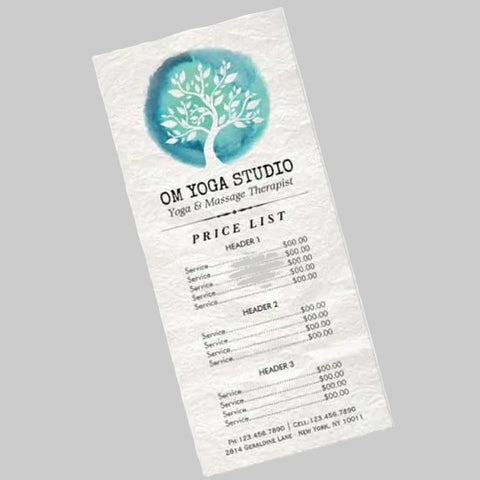
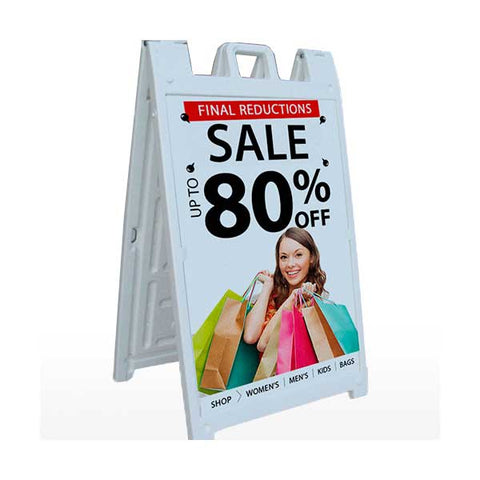
- Signage that shows prices at each tier, so browsers don't have to ask before they can buy
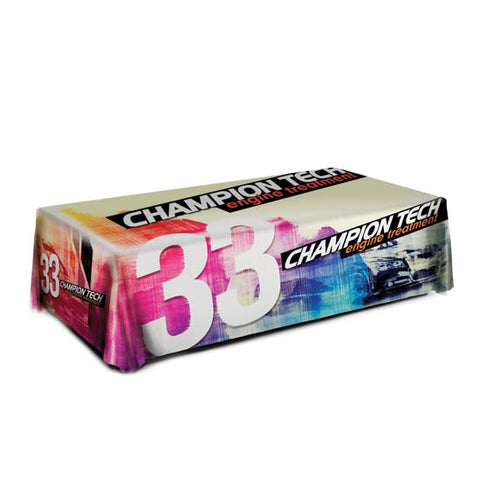
The optional-but-effective display supplies include backdrop curtains, branded table covers, battery-powered LED lighting (convention halls are often poorly lit), and sample frames showing what a print looks like once it's on a wall. None of these are essentials — but each one nudges your conversion rate up a few percent, and at a busy show those percentages add up.
Impulse & Branding Supplies
Impulse supplies are the under-$5 items that close sales for browsers who aren't ready to commit to a print. Branding supplies are the items that travel home with customers and keep your name in their lives long after the convention.
The two categories overlap — a sticker is both an impulse buy and a piece of brand marketing that gets stuck on a laptop someone else will see — but the strategic role is what matters. Impulse supplies drive volume. Branding supplies drive your post-convention pipeline (online sales, social follows, future commissions).
The standard impulse and branding supply mix:
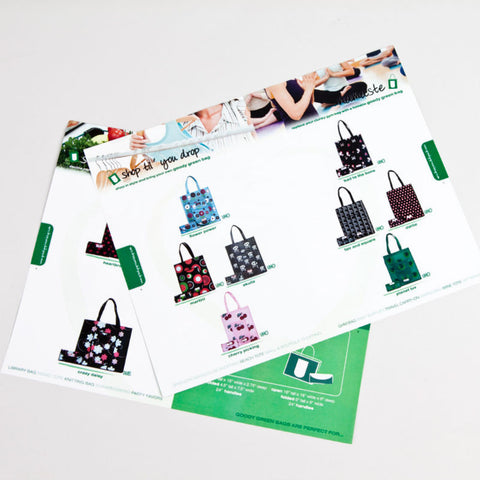
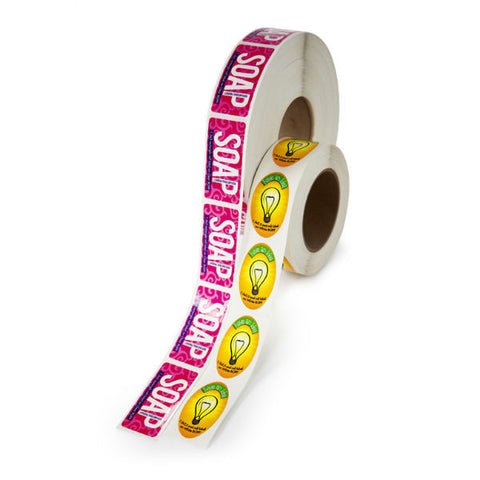
- Vinyl stickers — durable, low-cost, easy to display, and they go everywhere customers go
- Holographic and prismatic stickers — premium pricing, photogenic, draws eyes from across the booth
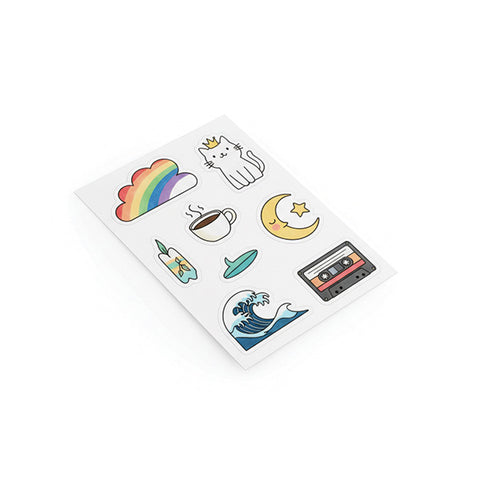
- Sticker sheets — multiple smaller designs on one sheet, with better unit economics than selling individual stickers one by one
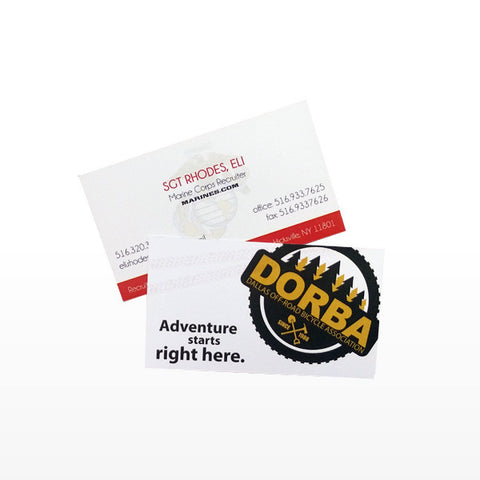
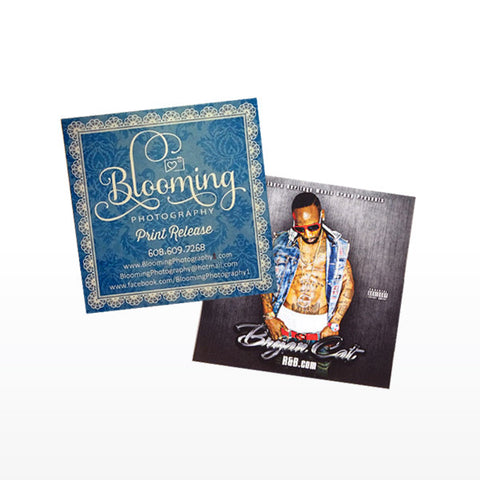
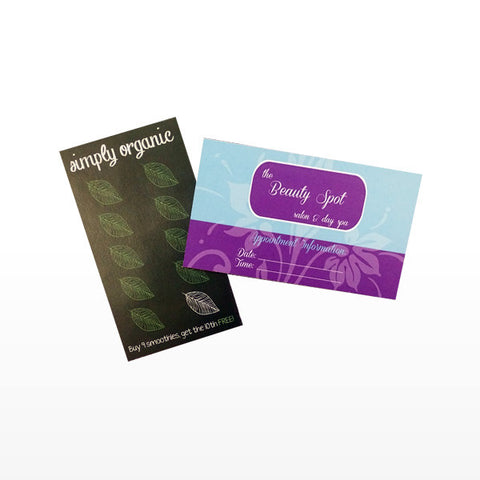
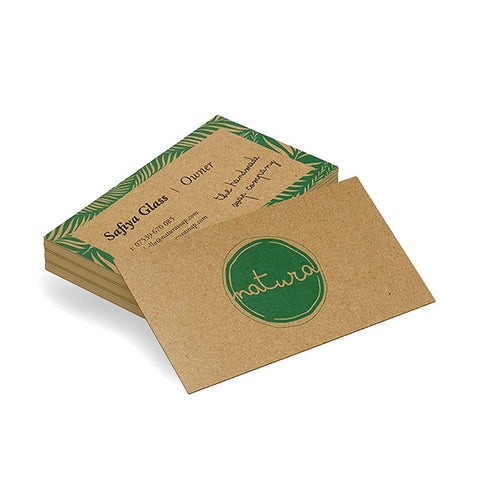
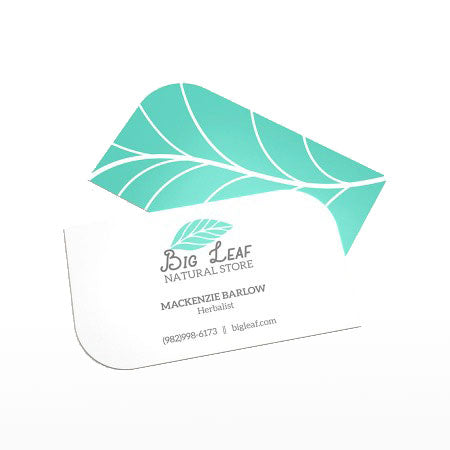
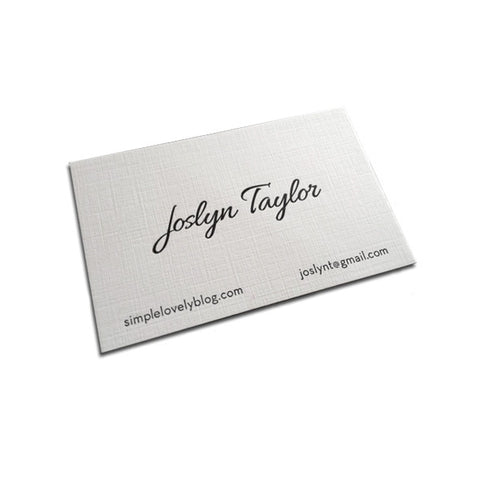
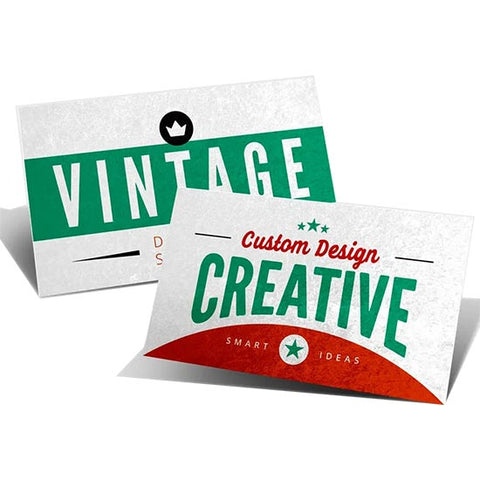
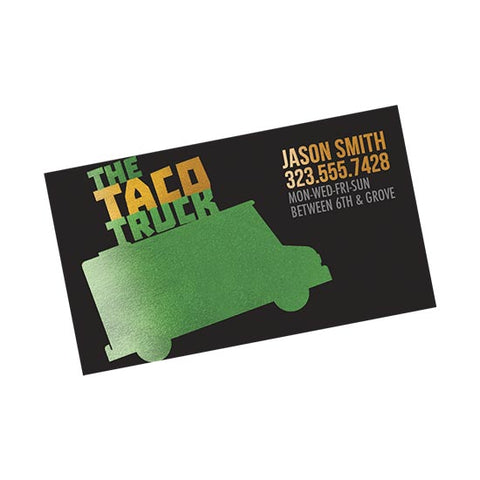
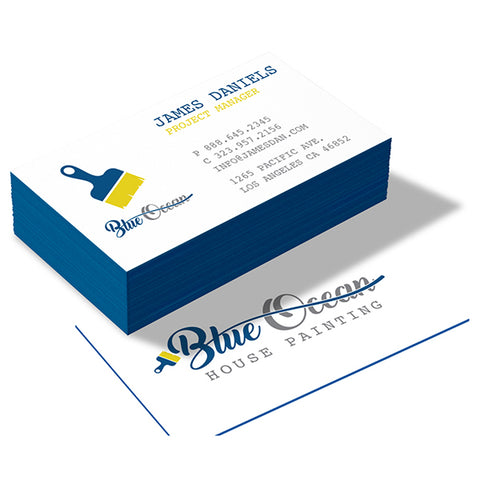
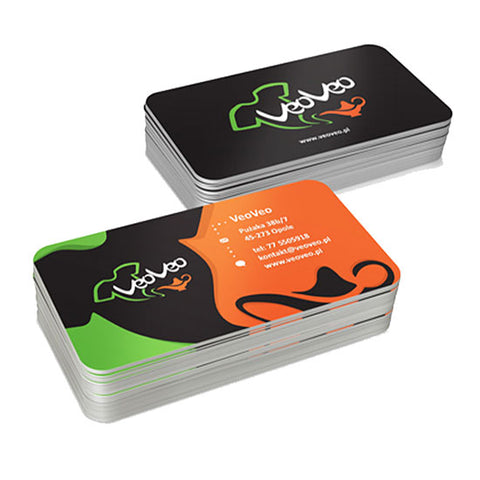
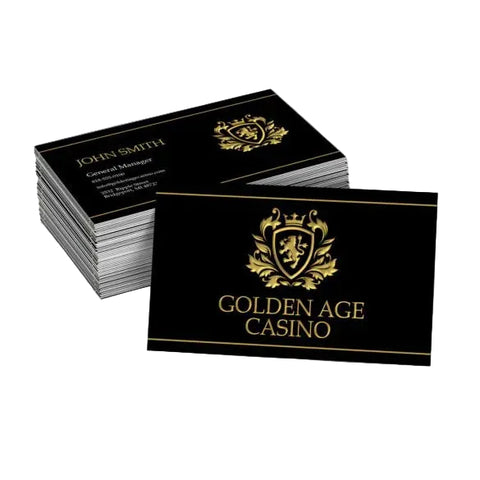
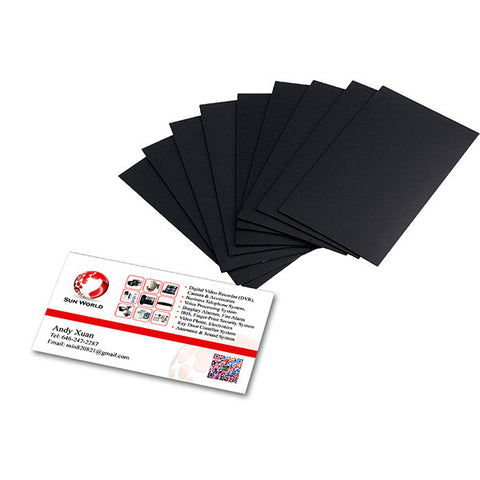
- Business cards — the bridge between an artist alley sale and your online shop, weeks or months after the convention ends
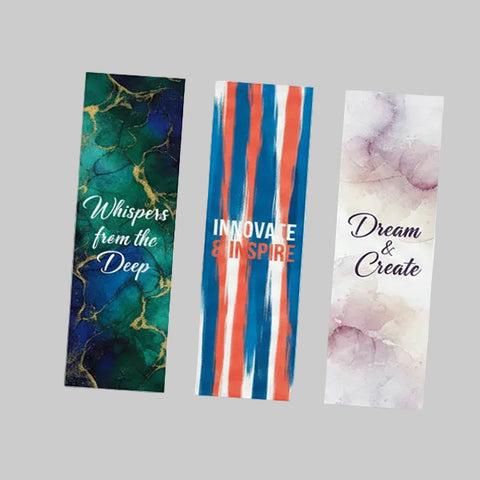
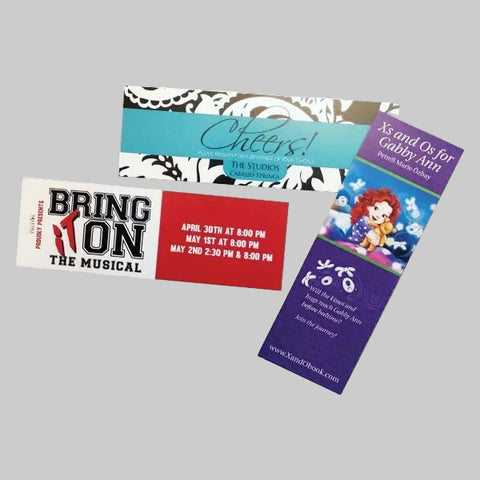
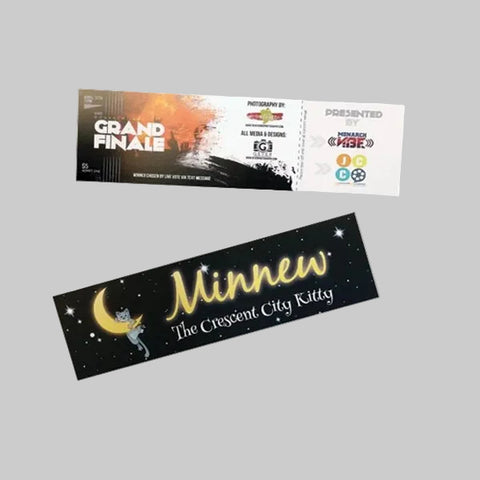
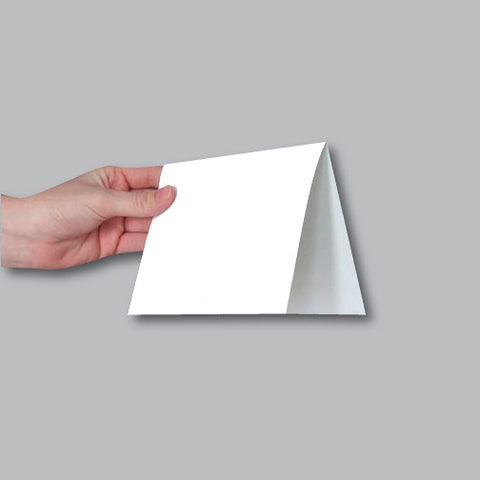
- Bookmarks — the underrated impulse buy, especially for artists with a literary, fantasy, or readership-heavy fanbase
Building Your Artist Alley Supply Mix
The right supply mix depends on three things: who your audience is, how big the convention is, and how new you are to selling.
By audience. Comic-con crowds buy fan art prints, character stickers, and bookmarks. Anime convention audiences buy similar inventory but skew younger — lower price points, more impulse buys, more sticker sheets. Fine-art-focused conventions buy bigger prints, fewer stickers, and value premium substrates. Photography-focused shows want larger statement pieces and matte or metallic prints over postcards.
By convention size. A 1,000-attendee local con doesn't need a 200-print inventory. A 50,000-attendee major con will burn through your inventory by Saturday afternoon if you under-order. Rough rule of thumb: stock for 3–5% of attendees as potential customers, with at least one sticker for every 1–2 attendees you expect to stop at your table.
By experience level. First-time sellers should over-invest in Tier 1 (cheap, low risk, easy to sell through) and under-invest in Tier 3 (expensive, ties up cash, harder to move at unfamiliar shows). After your first convention, you'll know which images and price points actually sell — that's when to commit real budget to bigger Tier 3 inventory.
Artist Alley Booth Setup Kits
A booth setup kit bundles the core artist alley supplies — fine art prints, postcards or mini prints, and stickers — into a single curated order. The kit format solves the planning problem first-time sellers struggle with most: figuring out the right ratios. Instead of guessing whether you need 100 postcards or 50, three sticker designs or six, you order a tested mix that's already balanced for an artist alley booth.
The case for a kit over à la carte ordering is the planning. Most first-time artist alley sellers either over-order one category and run out of others, or hedge so much that the booth ends up looking thin in every direction. A kit replaces those decisions with a known starting point — large prints to anchor the table, mid-size prints in the most-demanded sizes, postcards or mini prints as the impulse layer, and stickers as the volume layer. You send your own artwork; the kit is about format and quantity, not about replacing your art.
Kits also tend to be cheaper than the same items ordered separately. Bundled pricing on a starter kit is usually enough cheaper than à la carte to cover an extra design or two across the order. For a first convention where you're already taking financial risk on the table fee, hotel, and travel, a kit lets you walk into the show with complete inventory at a known cost.
Different kits fit different artists. A first-convention kit is built for sellers showing up at their first 1,000–5,000-attendee local con — enough inventory to look prepared without overcommitting. A larger kit is for established artists, higher-traffic shows, or sellers who want a fuller booth presence from day one. The right pick depends on convention size, your experience level, and how much you've already sold of similar work online.
The trade-off: kits are designed for the average artist alley booth, not your specific booth. If your work skews heavily toward one product type — say, you're primarily a sticker artist with smaller print sales, or a fine art photographer whose buyers don't want postcards — the kit's ratios will miss. In that case, à la carte ordering using the filter above is the right call.
Browse Artist Alley Starter Kits →
Artist Alley Supply Checklist
The essentials checklist for any artist alley booth:
- 4–6 fine art print designs in 2–3 sizes each
- 3–5 postcard or mini print designs
- 5–10 sticker designs across vinyl singles and sticker sheets
- A retractable banner with your artist name
- 50+ business cards in a card holder near the front of the table
- Price signage at each tier
- A way to take card payments (Square reader, tap-to-pay, or similar)
- A grid wall or rack for vertical display
- Sample frames for at least one large print
- A printed copy of the convention's artist alley rules and your table assignment
The nice-to-haves that pay off at a busy show:
- Bookmarks or other small impulse items under $3
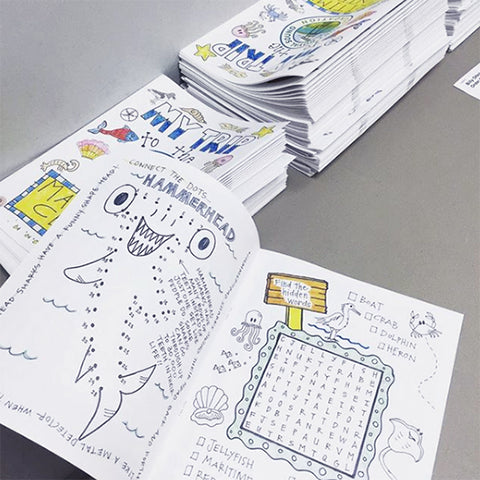
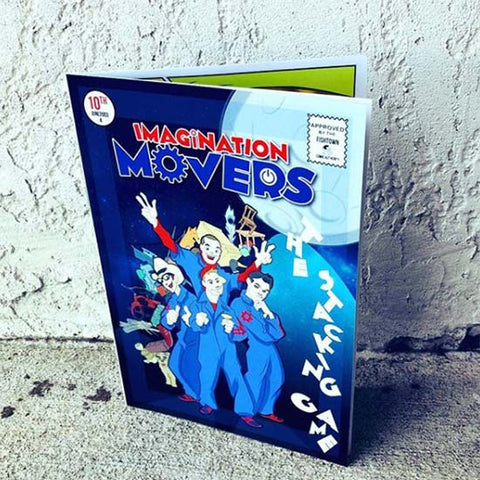
- A small zine, mini-comic, or art book
- Branded packaging (paper bags or tissue with your logo)
- A folding chair pad — your back will thank you by hour six on day two
- An external phone battery pack and your card-reader's charger
- Cash for an opening till and small-bill change
When to Order Your Artist Alley Supplies
Order at least two weeks before your convention. That timeline breaks down as:
- Week 1: Place orders, review proofs, send any artwork revisions back
- Week 2: Production and shipping, with a buffer for anything that needs to be reprinted or rushed
Cutting it closer than two weeks is a common first-time mistake. Print runs occasionally need rework — a color shift caught on a proof, a low-DPI file flagged before production, a specialty substrate that takes a day longer than expected. With a two-week buffer, those issues are inconveniences. With a four-day buffer, they're disasters that leave you at a convention without inventory.
If this is your first artist alley, give yourself three weeks. You'll find supplies you didn't realize you needed once you start packing — a price card you forgot to make, an extra sticker design that would round out the table, a bookmark for your literary-fantasy audience — and you'll want time to add them to a second order without paying express shipping.